

Hatta emerges as Dubai’s booming overland trade gateway with 175% growth
Smart customs systems help strengthen supply chains and secure cargo movement
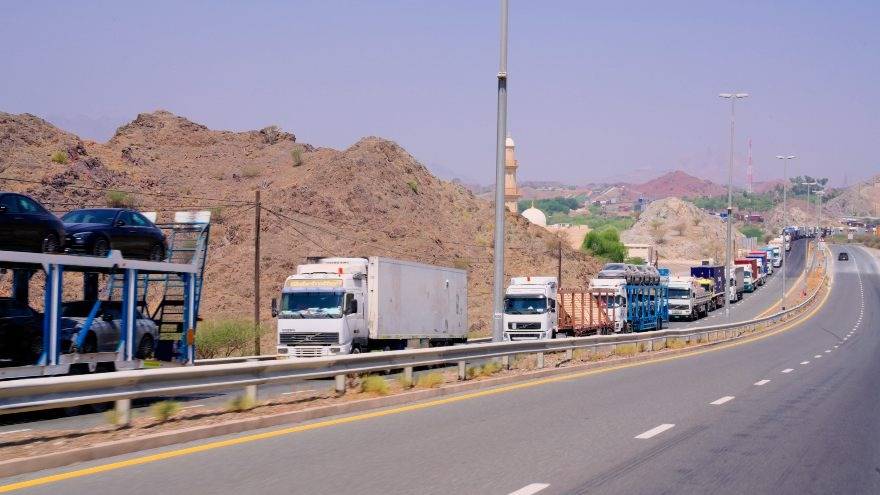
DUBAI – Dubai’s Hatta Customs Crossing recorded a major surge in trade during the first half of 2026, with the value of goods passing through the overland gateway exceeding Dh37.08 billion.
The figure represents a 175 percent increase compared with Dh13.48 billion recorded during the same period in 2025, highlighting a sharp expansion in trade flows through one of Dubai’s key land-based commercial routes. The performance came as shifting regional trade patterns, changing shipping routes and pressure on global supply chains continued to reshape the movement of goods.
The strong results also extended to commercial road transport, with the number of loaded trucks using the crossing rising by 160.1 percent year on year. A total of 108,811 loaded trucks passed through Hatta during the first six months of 2026, compared with 41,831 in the corresponding period last year. At the same time, the border crossing continued to handle significant passenger and vehicle traffic, supporting movement between Dubai and the Gulf Cooperation Council states.
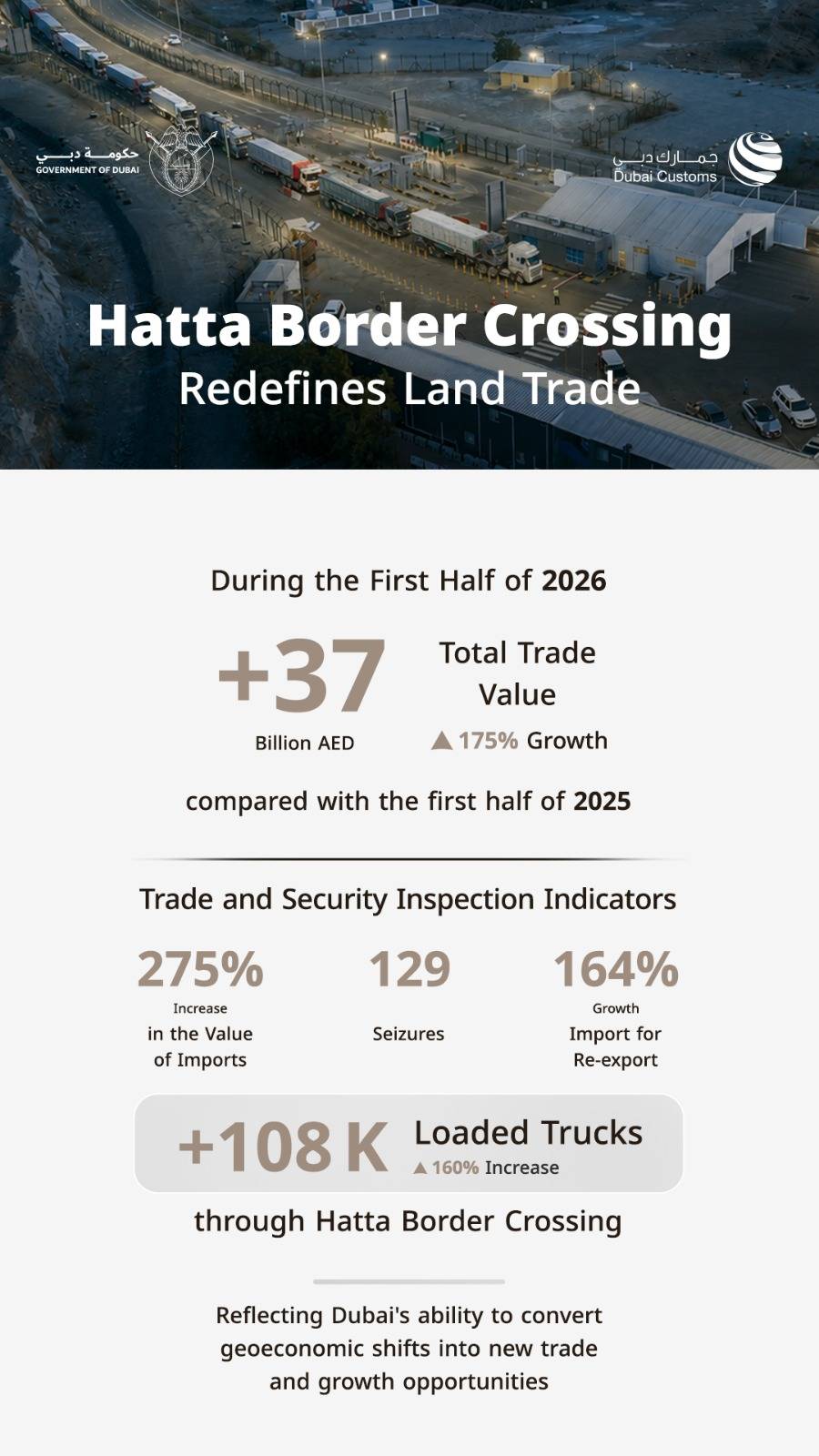
More than 919,000 travellers passed through the Hatta Border Crossing during the period, alongside around 322,000 light vehicles. The number of buses crossing the border also increased by 77.5 percent, further reflecting the rising volume of movement through the facility.
Trade flows
The latest figures underline the growing importance of Hatta as an overland trade gateway connecting Dubai with regional markets. The increase in commercial activity comes against a backdrop of significant changes in global and regional trade, including altered shipping routes, evolving supply chains and rising costs affecting international movement of goods.
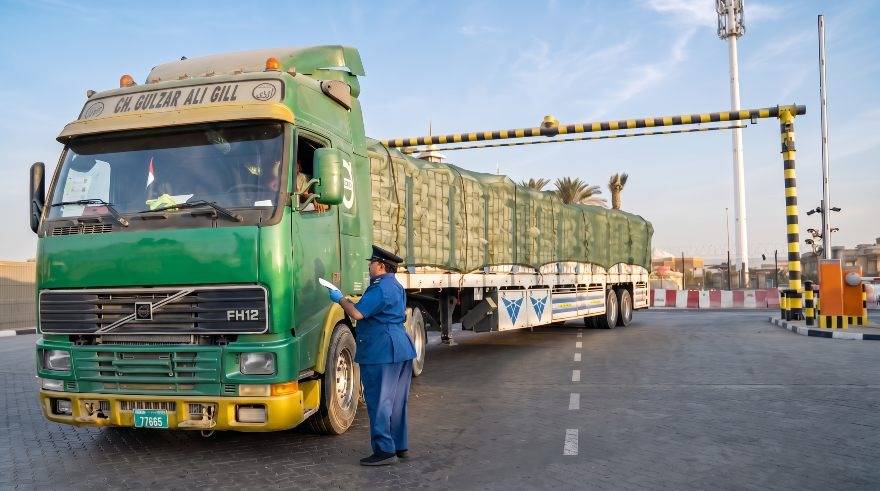
Dubai Customs said the results demonstrate the flexibility of its customs system and its ability to respond to changing trade patterns while maintaining the movement of goods and supporting supply chain continuity. The authority has implemented a series of operational and logistics measures at Hatta to accommodate higher volumes and make the crossing more attractive to businesses.
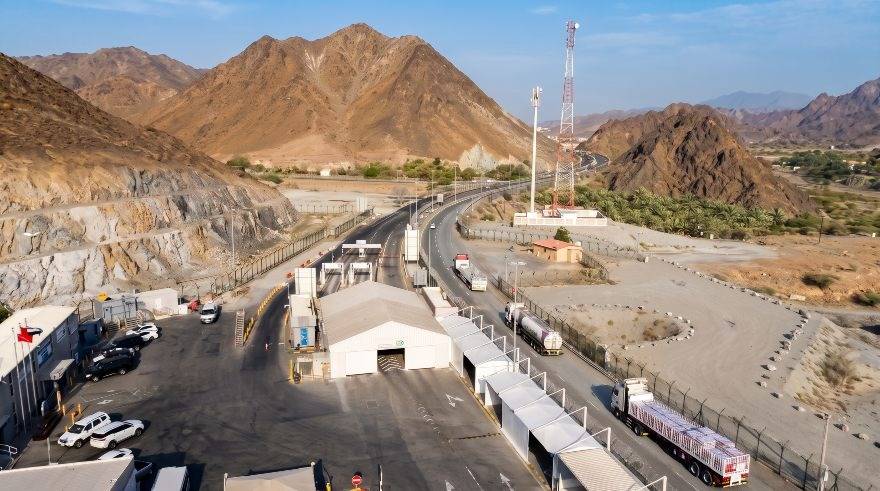
Abdulla bin Damithan, Chairman of the Ports, Customs and Free Zone Corporation, said maintaining supply chain continuity and investor confidence had become increasingly important to economic competitiveness as the global trade landscape changes.
He said Dubai was continuing to strengthen its position as a gateway for trade and investment through flexible economic policies and an integrated system designed to anticipate changes and respond to developments in the global economy.
According to bin Damithan, the performance of Hatta Customs Crossing demonstrates the emirate’s ability to respond efficiently to regional changes while maintaining the smooth movement of goods and continuity of supply chains. He said the results also reflected Dubai’s focus on building an economy capable of adapting to challenges and converting changing conditions into opportunities for growth.
The surge in trade at Hatta comes as Dubai continues to pursue the objectives of the Dubai Economic Agenda D33, which seeks to double the size of the emirate’s economy over the next decade and strengthen its position among the world’s top three urban economies.
Green Corridor
A key element behind the increased activity has been the Green Corridor initiative launched by Dubai Customs to maintain the continuity of trade and supply chains during periods of changing regional trade conditions.
The initiative forms part of a broader package of proactive operational and logistics measures designed to improve the efficiency of movement through Hatta Crossing. Dubai Customs said these measures have helped attract new trade flows to the route while strengthening its role as a strategic overland gateway for Dubai.
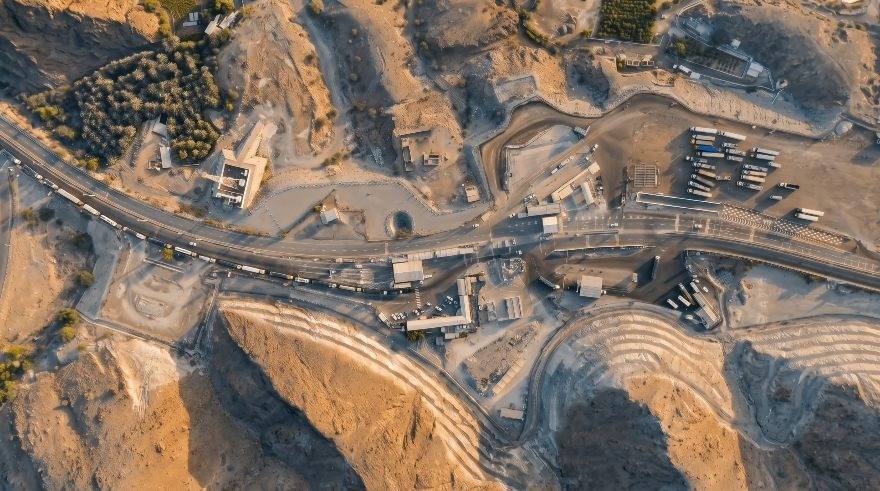
The authority has also introduced targeted measures to support the competitiveness of the business environment and reduce the effects of rising global shipping costs. Among these efforts is the expansion of the base of logistics service providers, alongside efforts to attract additional companies to the market.
The increased presence of logistics providers is intended to strengthen competition and give businesses access to a wider range of efficient and competitive services. This forms part of Dubai Customs’ broader approach to supporting companies navigating changes in global transportation and logistics costs.
The Hatta crossing’s performance is also being supported by the growing use of digital customs technologies. These systems are designed to speed up procedures while maintaining controls needed to protect cargo and secure supply chains.
Smart security
One of the key technologies being deployed is the Shahin smart electronic seal system, which enables shipments to be protected and tracked without imposing additional fees on customers.
During the first half of 2026, Hatta Customs Centre used 7,870 electronic seals for trucks under the Shahin system. The use of the technology is intended to strengthen the security of goods in transit, reduce operational risks and improve the reliability of cargo movement.
The expansion of electronic sealing also forms part of Dubai Customs’ efforts to combine faster trade processes with stronger supply chain security. By monitoring shipments through smart technology, the system supports the movement of goods while providing additional safeguards during transit.
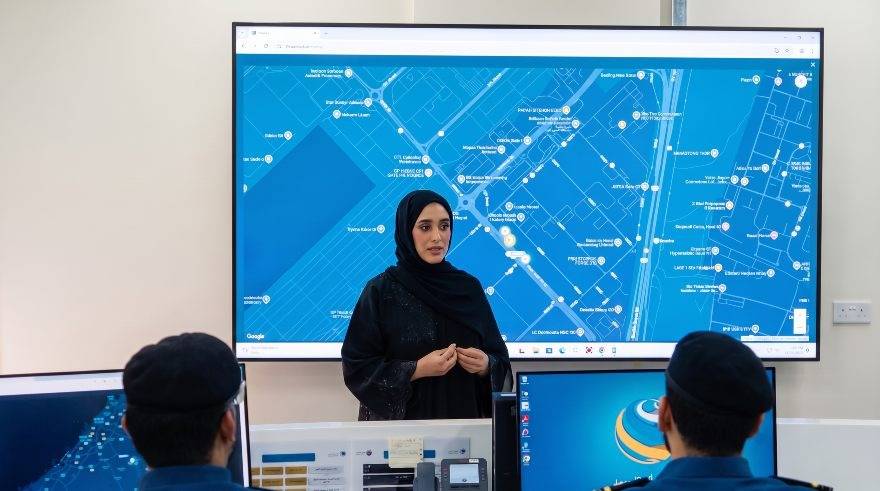
Dr Abdulla Busenad, Director General of Dubai Customs, said the competitiveness of global trade hubs was no longer based solely on geographical location. He said successful hubs also required integrated systems capable of responding quickly to changes, maintaining business continuity and ensuring reliable supply chains.
Busenad said Dubai’s recent performance reflected the strength of its infrastructure as well as the efficiency of its institutional systems and their ability to respond to global challenges.
He said Dubai Customs would continue developing proactive solutions aimed at improving the efficiency of customs operations, supporting the reliability and sustainability of supply chains and contributing to the growth of Dubai’s economy.
The authority’s approach is aligned with the objectives of the Dubai Economic Agenda D33 and the Dubai Government’s wider vision of developing a more competitive and sustainable economy while strengthening Dubai’s position as an international centre for trade and investment.
Border activity
The increase in commercial trade was accompanied by significant passenger and vehicle activity at Hatta. More than 919,000 travellers crossed the border during the first half of 2026, while approximately 322,000 light vehicles passed through the crossing.
Bus traffic recorded a 77.5 percent increase, adding another indication of the broader rise in movement through the border facility. The combination of commercial trucks, buses, light vehicles and individual travellers places different operational demands on a major land border, making efficient processing an important part of maintaining traffic flow.
Dubai Customs said the latest indicators demonstrate the readiness of the operational system to handle the accelerating movement of both goods and people. The authority has continued to focus on maintaining smooth traffic flow while supporting uninterrupted supply chains.
The Hatta crossing’s role extends beyond the processing of commercial consignments. Its location makes it an important route for movement between Dubai and neighbouring Gulf markets, while its customs operations provide controls for goods entering and leaving the emirate through the land border.
The growth in loaded truck traffic is particularly significant for the commercial side of the crossing. The increase from 41,831 loaded trucks in the first half of 2025 to 108,811 in the first half of 2026 represents an additional 66,980 trucks using the route during the period.
The corresponding 160.1 percent rise in loaded trucks closely mirrors the increase in overall trade value, pointing to a substantial expansion in commercial movement through the crossing rather than growth being driven solely by changes in the value of individual consignments.
Customs protection
While facilitating trade remains a central function of the crossing, Dubai Customs also continued its enforcement and inspection activities during the period.
The Customs Inspection Sector at Hatta Crossing recorded 129 seizures in the first half of 2026. The seizures form part of the authority’s responsibility to protect society and safeguard the national economy while enabling legitimate commercial activity to move efficiently.
Dubai Customs has framed this balance through its longstanding approach of combining trade facilitation with customs control. The use of inspection procedures alongside digital tracking systems allows the authority to maintain security measures while supporting the movement of legitimate cargo.
The results from Hatta also highlight how operational technology is becoming increasingly integrated into customs procedures. The 7,870 electronic seals deployed on trucks during the six-month period provide a measure of the scale at which smart cargo security tools are being used at the crossing.
The authority said the combination of proactive initiatives, digital solutions and logistics measures has helped strengthen Hatta’s ability to accommodate rising trade volumes while maintaining secure cargo movement.
The sharp increase in trade value, truck traffic and passenger movement comes as Dubai continues to position its land borders as part of a wider, integrated trade and logistics network. With Dh37.08 billion in goods passing through Hatta in the first half of 2026, the crossing has emerged as an increasingly active component of the emirate’s overland trade system.